
A Complete Guide to Healthy and Natural Spices
Md. Joynal Abdin
Business Consultant | Entrepreneur | International Trade Specialist
Founder & Chief Executive Officer, Trade & Investment Bangladesh (T&IB)
Secretary General, Brazil Bangladesh Chamber of Commerce & Industry (BBCCI)
Spices are much more than ingredients that add taste, aroma and colour to food. For centuries, people across South Asia including Bangladesh have used spices as an integral part of everyday cooking as well as traditional approaches to health and well-being. A typical Bangladeshi kitchen may contain turmeric, chilli, cumin, coriander, ginger, garlic, onion, black pepper, mustard, cinnamon, cardamom, cloves, bay leaves, fenugreek, nigella seeds and several other aromatic ingredients. These spices transform ordinary rice, fish, meat, lentils and vegetables into flavourful meals. At the same time, many contain naturally occurring compounds with antioxidant, anti-inflammatory, antimicrobial and digestive properties.
Modern scientific research has increasingly investigated these traditional ingredients. Studies suggest that several culinary spices may contribute to metabolic and cardiovascular health, digestive function and protection against oxidative stress. However, the effects differ considerably among spices, and eating spices as part of normal meals should not be confused with taking medicinal extracts or supplements. The healthiest approach, therefore, is not to regard spices as miracle medicines. Rather, it is to recognize that pure, natural spices can form an important part of a diverse, balanced and wholesome diet.
This guide explores the medicinal benefits of spices in daily meals, particularly the spices commonly found in Bangladeshi cuisine, and explains where they can be used in everyday and occasional foods.
Why Are Natural Spices Important for Human Health?
Many spices contain naturally occurring plant chemicals such as polyphenols, flavonoids, terpenoids, alkaloids and sulfur-containing compounds. These substances are responsible not only for the distinctive colour, smell and flavour of spices but also for many of their potential biological effects. A diet incorporating a variety of herbs and spices can provide additional sources of natural antioxidants. Regularly using spices also has an important indirect advantage: flavourful food may require less excessive salt, sugar or unhealthy sauces.
The objective should therefore be simple:
Use a variety of pure spices in appropriate culinary quantities as part of a balanced diet.
Let us examine the major spices individually.
1. Turmeric : The Golden Spice
Turmeric, or holud, is perhaps the most recognizable spice in Bangladeshi cooking. Important natural compound Its best-known bioactive component is curcumin, although turmeric contains many other compounds.
Potential health benefits
Turmeric has been extensively studied for its antioxidant and anti-inflammatory properties. Research has also investigated curcumin in relation to joint health, metabolic health, cardiovascular risk factors and other inflammation-related conditions. The important distinction is that much clinical research uses concentrated curcumin preparations rather than the relatively small quantity of turmeric normally consumed in curry.
Where turmeric is used
Turmeric is commonly added to:
- Fish curry
- Chicken curry
- Beef and mutton dishes
- Vegetable curries
- Lentils
- Khichuri
- Bhorta
- Fish marinades
- Mixed vegetable dishes
Turmeric provides an attractive golden colour while complementing ginger, garlic, chilli, cumin and coriander.
2. Ginger : A Traditional Digestive Spice
Ginger, or ada, is indispensable in Bangladeshi cuisine. Important natural compounds Ginger contains bioactive substances including gingerols and shogaols.
Potential health benefits
Ginger is particularly well known for its relationship with digestive health. Research has examined its potential to help with nausea and gastrointestinal discomfort. Its compounds also exhibit antioxidant and anti-inflammatory activities.
Studies at culinary and supplemental doses have additionally investigated ginger in relation to blood glucose, blood lipids and inflammation.
Where ginger is used
Ginger is excellent in:
- Beef curry
- Mutton and goat curry
- Chicken curry
- Fish dishes
- Biryani
- Tehari
- Khichuri
- Korma
- Kebabs
- Haleem
- Soups
- Ginger tea
Fresh ginger paste combined with garlic is one of the fundamental flavour bases of Bangladeshi meat cooking.
3. Garlic : A Powerful Everyday Ingredient
Garlic, or roshun, sits somewhere between a vegetable and culinary spice, but no discussion of Bangladeshi spices would be complete without it.
Important natural compounds
When garlic is crushed or chopped, reactions involving sulfur compounds produce substances associated with many of its characteristic biological properties.
Potential health benefits
Garlic has been extensively studied for cardiovascular health. Research, particularly involving garlic preparations, has investigated possible effects on blood pressure, cholesterol and inflammatory markers.
Garlic compounds also demonstrate antimicrobial and antioxidant activity in laboratory research.
Where garlic is used
Garlic is widely used in:
- Fish curry
- Beef curry
- Chicken curry
- Mutton curry
- Dal
- Mixed vegetables
- Bhorta
- Kebabs
- Soups
- Haleem
- Khichuri
Garlic, ginger and onion together form one of the most important foundations of traditional Bangladeshi savoury cooking.
4. Onion : The Foundation of Bangladeshi Curries
Although technically a vegetable, onion is so central to spice-based cooking that it deserves inclusion. Onions contain flavonoids and sulfur compounds and contribute antioxidants to the diet.
Where onion is used
Almost everywhere:
- Beef curry
- Chicken curry
- Fish curry
- Korma
- Biryani
- Tehari
- Khichuri
- Dal
- Bhorta
- Kebabs
- Vegetable dishes
- Salads
Slowly browned onions also create the characteristic sweetness, colour and depth of many festive dishes.
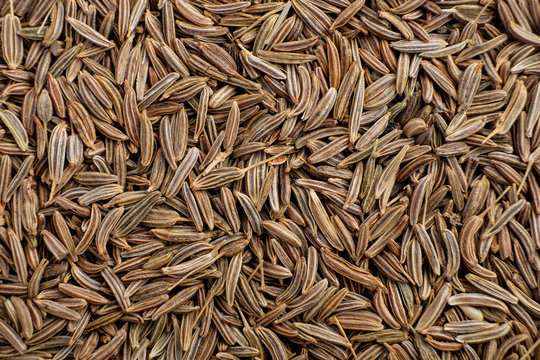
5. Cumin : The Digestive Aroma of Curry
Cumin, or jira, is one of Bangladesh’s most widely used spices.
Potential health benefits
Cumin contains aromatic plant compounds and antioxidants. It has traditionally been associated with digestion, while scientific studies have investigated potential effects on glucose and lipid metabolism. Evidence for some proposed metabolic benefits remains mixed, particularly because studies frequently use amounts or preparations different from ordinary cooking.
Where cumin is used
Cumin works beautifully in:
- Dal
- Beef curry
- Chicken curry
- Fish curry
- Vegetable curry
- Khichuri
- Bhorta
- Chotpoti
- Fuchka fillings
- Kebabs
- Borhani
Roasted cumin powder gives an especially distinctive aroma to yoghurt drinks, chutneys and snacks.
6. Coriander : Seed and Leaf in One Plant
Coriander is used both as dried seeds (dhonia) and fresh leaves (dhonia pata).
Potential medicinal value
Coriander contains aromatic compounds and polyphenols with antioxidant properties. Research has explored possible relationships with digestion, blood lipids and glucose metabolism, although stronger clinical evidence is still needed for many claims.
Common uses
Coriander seeds or powder appear in:
- Fish curry
- Chicken curry
- Beef curry
- Vegetable dishes
- Dal
- Khichuri
Fresh coriander leaves can be added to:
- Dal
- Chotpoti
- Fuchka
- Soup
- Salad
- Chutney
- Bhorta
- Curries
Fresh leaves are best added near the end of cooking when their aroma is desired.
7. Chilli : Heat with Natural Bioactive Compounds
No Bangladeshi spice collection seems complete without chilli. Both dried red chilli and fresh green chilli are extensively used.
Important natural compound
Hot chilli peppers contain capsaicin, responsible for their characteristic heat.
Potential health benefits
Capsaicin has been studied in relation to pain pathways, metabolism and cardiovascular health. Chillies also supply carotenoids and other antioxidant compounds. However, more chilli does not automatically mean greater health benefit. Excessive amounts can aggravate digestive discomfort in susceptible individuals.
Where chilli is used
Practically everywhere:
- Fish curry
- Meat curry
- Dal
- Bhorta
- Vegetables
- Pickles
- Chutney
- Khichuri
- Snacks
- Salads
Green chilli also provides a fresh aroma that dried chilli cannot reproduce.
8. Black Pepper : The Ancient Hot Spice
Before chilli became widespread in South Asian cooking, black pepper was one of the major sources of pungency.
Important compound
Its best-known component is piperine.
Potential benefits
Black pepper contains antioxidant compounds and has been studied for digestive and metabolic effects. Piperine is also interesting because it can influence the absorption and metabolism of certain compounds including curcumin and potentially some medicines.
Common uses
Black pepper works well in:
- Soup
- Chicken
- Beef
- Kebabs
- Eggs
- Salads
- Vegetable dishes
- Korma
- Roast
- Broths
Freshly ground pepper generally delivers a stronger aroma than long-stored pepper powder.
9. Cinnamon : Sweet Aroma with Powerful Plant Compounds
Cinnamon, or daruchini, is a major aromatic spice in Bangladeshi festive cooking.
Important compounds
Cinnamon contains compounds including cinnamaldehyde and various polyphenols.
Potential health benefits
Cinnamon has received considerable scientific attention for its antioxidant properties and possible effects on glucose metabolism. Clinical research has produced promising but not universally consistent findings.
It should therefore complement a healthy diet rather than be regarded as a diabetes treatment.
Common uses
Cinnamon is widely used in:
- Biryani
- Polao
- Tehari
- Beef curry
- Korma
- Chicken roast
- Semai
- Firni
- Payesh
- Desserts
- Tea
10. Cardamom : The Fragrant Queen of Spices
Cardamom, or elach, is another premium aromatic spice.
Potential medicinal value
Cardamom contains volatile oils and antioxidant compounds. Human studies have investigated its possible effects on inflammation, blood pressure and metabolic health, although further research is required.
Traditionally, cardamom has also been valued as a digestive and breath-freshening spice.
Common uses
Cardamom is ideal for:
- Biryani
- Polao
- Korma
- Roast
- Tehari
- Semai
- Payesh
- Firni
- Halwa
- Tea
- Milk-based desserts
11. Cloves : Tiny Buds with Intense Aroma
Cloves, or lobongo, are dried flower buds.
Important compound
Cloves are especially rich in eugenol.
Potential medicinal value
Clove compounds have demonstrated antioxidant and antimicrobial properties, while eugenol has long been associated with dental applications. That does not mean concentrated clove oil should be casually used as medicine. Essential oils can be irritating and should be handled differently from culinary spices.
Common uses
Cloves appear in:
- Biryani
- Polao
- Beef curry
- Korma
- Roast
- Tehari
- Garam masala
- Tea
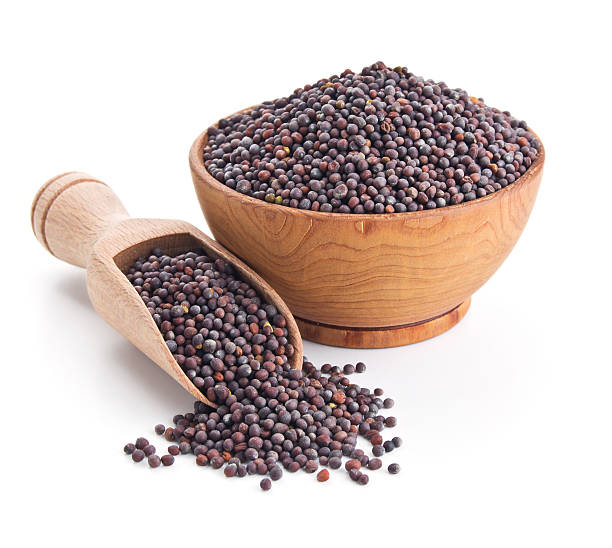
12. Mustard : A Bangladeshi Culinary Classic
Mustard, or shorisha, occupies a special place in Bengali cuisine. Mustard seeds contain glucosinolates and other phytochemicals, while mustard oil provides its characteristic pungency.
Common uses
Mustard is famous in:
- Shorshe ilish
- Mustard fish curry
- Bhorta
- Pickles
- Vegetable preparations
- Chutneys
- Traditional Bengali dishes
Mustard paste with fish is one of the defining flavour combinations of Bengali cuisine.
13. Fenugreek : A Bitter Spice with Interesting Potential
Fenugreek, or methi, is used in both seed and leaf forms.
Potential medicinal benefits
Fenugreek has been studied extensively in relation to glucose metabolism. Its seeds contain soluble fibre and several bioactive compounds. Clinical evidence suggests potential metabolic benefits, but culinary fenugreek should not be considered a replacement for diabetes medication.
Uses
Fenugreek can be used in:
- Dal
- Vegetable curries
- Pickles
- Fish preparations
- Panch phoron
- Meat dishes in small quantities
Because fenugreek can become bitter, moderation is particularly important.
14. Nigella Seeds : Kalojira
Nigella seeds, commonly called kalojira, are widely appreciated in Bangladesh.
Important component
Nigella sativa contains several biologically active compounds, particularly thymoquinone.
Potential benefits
Research has examined nigella in relation to antioxidant activity, inflammation, blood glucose, lipid profiles and cardiovascular health.
Common uses
Kalojira is used in:
- Dal
- Vegetables
- Fish
- Pickles
- Bread and naan
- Bhorta
- Panch phoron
Its distinctive aroma means only a small amount is normally necessary.
15. Fennel : Sweet and Refreshing
Fennel, or mouri, has a naturally sweet aroma. It contains aromatic compounds including anethole and has traditionally been associated with digestion and relief of gas and bloating.
Common uses
Fennel can be used in:
- Meat dishes
- Fish
- Pickles
- Spice blends
- Tea
- Mouth fresheners
- Desserts
16. Bay Leaf : Aromatic Foundation for Slow Cooking
Bay leaf, or tej pata, provides fragrance rather than heat. It contains volatile aromatic compounds and plant polyphenols.
Common uses
Bay leaf is particularly useful in:
- Biryani
- Polao
- Tehari
- Khichuri
- Beef curry
- Chicken curry
- Dal
- Korma
- Roast
It is normally added whole during cooking and removed before eating.
17. Nutmeg : A Powerful Spice Best Used Sparingly
Nutmeg, or jaiphal, has a warm, sweet fragrance.
Potential properties
Nutmeg contains several volatile oils and antioxidant compounds.
Uses
Small quantities can be added to:
- Korma
- Kebabs
- Meat dishes
- Desserts
- Baking
- Garam masala
Important: nutmeg is a good example of why “natural” does not mean “unlimited.” Large amounts can be toxic. It should be used only in normal culinary quantities.
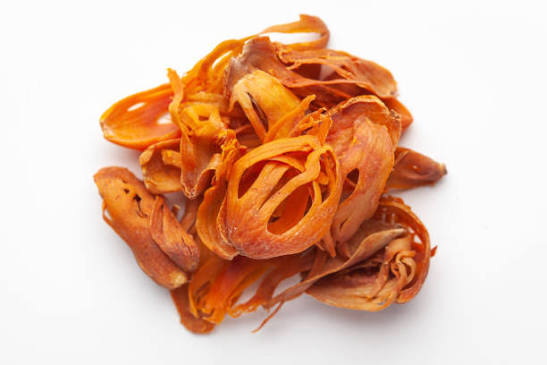
18. Mace : Javitri
Mace, or javitri, is the reddish outer covering of the nutmeg seed. It has a delicate but powerful aroma and contains many aromatic compounds related to those found in nutmeg.
Uses
Javitri is particularly suitable for:
- Biryani
- Korma
- Rezala
- Kebabs
- Meat curry
- Garam masala
Only a small amount is required.
19. Star Anise
Star anise has a distinctive sweet, liquorice-like fragrance. It contains aromatic compounds, particularly anethole, and is used primarily for flavour.
Uses
It can complement:
- Beef dishes
- Slow-cooked meat
- Polao
- Biryani
- Tea
- Selected spice blends
Because its flavour is intense, it should be used sparingly.
20. Saffron : The Premium Spice
Saffron is expensive and therefore used mainly in special dishes rather than everyday Bangladeshi meals. It contains carotenoid-derived compounds such as crocin and crocetin that have attracted research interest for antioxidant and other potential biological effects.
Uses
Saffron is ideal for:
- Premium biryani
- Zarda
- Firni
- Payesh
- Semai
- Milk
- Desserts
21. Asafoetida : Hing
Hing has a very strong aroma and is normally required only in tiny quantities. It has traditionally been associated with digestive comfort.
Uses
Particularly useful in:
- Dal
- Lentil preparations
- Vegetarian curries
- Chickpeas
- Pickles
22. Radhuni
Radhuni is a distinctive Bengali spice with a strong aroma and an important place in traditional cuisine. It is often confused with celery or ajwain outside Bengal but has its own culinary identity.
Uses
Radhuni can be found in:
- Traditional Bengali vegetable dishes
- Dal
- Fish preparations
- Shukto
- Bengali spice mixtures
Like many aromatic seeds, it contributes volatile plant compounds, but its specific human-health effects have been studied much less extensively than turmeric, ginger or cinnamon.
23. Ajwain : Carom Seed
Ajwain is strongly aromatic and traditionally associated with digestion. Its essential oil contains thymol, a compound known for antimicrobial activity in laboratory settings.
Uses
Ajwain may be incorporated into:
- Paratha
- Fried foods
- Lentils
- Vegetable preparations
- Savoury snacks
- Pickles
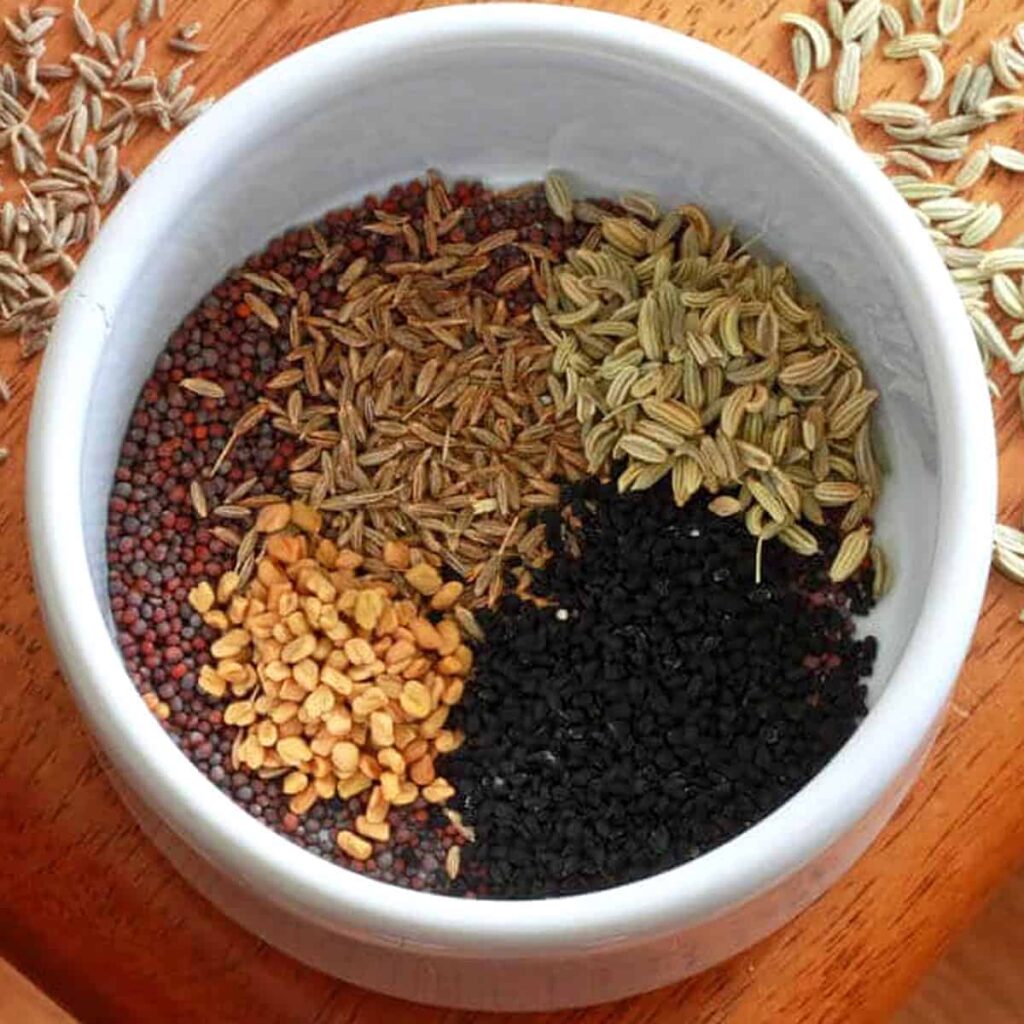
24. Panch Phoron : Five Spices in One
Panch phoron is one of the great signatures of Bengali cooking. The exact formulation varies, but a common mixture combines five whole aromatic seeds, often including:
Fenugreek + nigella + cumin + fennel + mustard, with radhuni sometimes appearing in traditional variants.
Rather than depending on a single spice, this mixture brings together different aromatic and phytochemical profiles.
Ideal uses
- Dal
- Mixed vegetables
- Pumpkin
- Potato dishes
- Fish
- Chutneys
- Pickles
25. Garam Masala : The Aromatic Finishing Blend
Garam masala is not one individual spice but a blend. A Bangladeshi version may include:
- Cinnamon
- Cardamom
- Cloves
- Black pepper
- Nutmeg
- Mace
- Cumin
The exact formulation differs by household and dish. It is particularly appropriate for:
- Beef curry
- Chicken
- Korma
- Rezala
- Biryani
- Tehari
- Kebabs
- Roast
Because it combines several concentrated aromatic spices, relatively small quantities can provide considerable flavour.
Other Spices and Herbs Used in Bangladesh
Bangladeshi cooking is diverse, and household practices vary by region, community and recipe. Other seasonings and culinary herbs encountered in Bangladesh include mint, basil, tamarind, dried mango powder, sesame, poppy seed, curry leaves and various regional aromatic herbs.
Mint, for example, contributes polyphenols and a refreshing aroma and is particularly useful in chutney, borhani, kebab accompaniments, salads and drinks. Tamarind provides tartness and plant polyphenols and works especially well in chutney, sour curries and snacks.
Sesame seeds supply healthy fats, protein, minerals and lignans and can enrich sweets, breads, snacks and traditional preparations. The important principle is diversity. Different plant foods contribute different nutrients and phytochemicals.
Matching Spices with Everyday Bangladeshi Foods
Choosing the right spices is as important as choosing the spices themselves.
Fish: Good combinations include turmeric, chilli, cumin, coriander, mustard, kalojira, garlic, ginger and green chilli. For mustard-based fish, mustard paste, turmeric and green chilli can produce a simple but intensely flavourful dish.
Chicken: Try ginger, garlic, turmeric, cumin, coriander, chilli, cinnamon, cardamom, cloves and bay leaf.
Beef and mutton: These richer meats pair particularly well with ginger, garlic, cumin, coriander, chilli, black pepper, cinnamon, cardamom, cloves, bay leaf, nutmeg, mace and garam masala.
Dal: Turmeric, cumin, garlic, dried chilli, coriander, mustard, kalojira or panch phoron can transform simple lentils into an aromatic meal.
Vegetables: Turmeric, cumin, coriander, chilli, mustard, fenugreek, nigella and panch phoron are excellent choices.
Biryani, polao and festive meals: These dishes rely more heavily on aromatic spices:
Cinnamon, cardamom, cloves, bay leaf, black pepper, mace, nutmeg, saffron and garam masala.
Why Pure and Natural Spices Matter
The potential benefits of spices depend heavily on quality. A beautifully balanced diet can be undermined if ingredients are adulterated, contaminated, excessively processed or poorly stored.
High-quality spices should ideally preserve their:
- Natural aroma
- Characteristic colour
- Essential oils
- Flavour
- Purity
- Freshness
- Natural plant compounds
Consumers should therefore choose spices from reliable sources and pay attention to packaging, hygiene, storage and authenticity. An unnaturally bright colour or excessively intense appearance is not necessarily evidence of superior quality.
Purity is more important than artificial attractiveness.
Whole Spices vs. Ground Spices
Whenever practical, whole spices can offer advantages. Whole cumin, coriander, black pepper, cardamom, cloves and cinnamon generally retain aroma longer than pre-ground equivalents because less surface area is exposed to air. Grinding spices shortly before cooking can therefore provide excellent flavour.
Ground spices are more convenient, however, and can still be excellent when they are:
- Pure
- Freshly processed
- Hygienically ground
- Properly packaged
- Protected from moisture
- Stored away from excessive heat and light
Healthy Cooking with Spices
Using healthy spices does not automatically make a meal healthy. A curry containing turmeric, ginger, garlic and cumin may still become nutritionally unbalanced if prepared with excessive salt, sugar, saturated fat or oversized portions.
For genuinely healthy everyday meals:
Use a variety of vegetables, lentils, fish and other appropriate protein sources; select good-quality oils in sensible quantities; control salt; avoid unnecessary sugar; and use natural spices generously enough for flavour but sensibly according to tolerance. Spices can make healthy food delicious which may be one of their greatest practical nutritional advantages.
Can Spices Replace Medicine?
No. The term “medicinal benefits of spices” should not be misunderstood to mean that spices are replacements for prescribed medicines.
Scientific research supports potentially beneficial properties of many spices, particularly turmeric, ginger, garlic, cinnamon, fenugreek, nigella, chilli and cardamom. However, clinical outcomes depend on dose, preparation, health condition and many other factors.
People taking medication especially medicines affecting blood glucose, blood pressure or blood clotting should be cautious about using concentrated herbal or spice supplements without professional advice. Normal culinary use and high-dose supplementation are not the same thing.
Pure Spices for a Healthier Food Culture
Bangladeshi cuisine has a remarkable natural advantage: its traditional cooking culture already incorporates a wide variety of plant-based spices. Fish cooked with mustard and turmeric, dal tempered with garlic and cumin, vegetables seasoned with panch phoron, chicken cooked with ginger and coriander, and biryani perfumed with cardamom and cinnamon are not simply recipes. They represent generations of culinary knowledge built around natural ingredients.
Modern lifestyles have introduced increasing quantities of highly processed foods, artificial flavourings, excessive salt, sugar and unhealthy fats. Returning attention to fresh ingredients, balanced meals and pure natural spices can therefore support a healthier food culture. Natural spices allow us to create flavour without depending entirely on excessive salt, sugar or artificial flavour enhancers.
Conclusion
The medicinal benefits of spices in daily meals are one more reason to appreciate the extraordinary richness of Bangladeshi food culture. Turmeric provides curcuminoids; ginger contains gingerols; garlic offers sulfur-containing compounds; chilli provides capsaicin; black pepper contains piperine; cinnamon contains cinnamaldehyde and polyphenols; cloves are rich in eugenol; nigella provides thymoquinone; while cumin, coriander, fennel, fenugreek, mustard, cardamom and numerous other spices contribute their own diverse plant compounds.
But their greatest strength may come from variety rather than dependence on one so-called super-spice. A healthy Bangladeshi meal might combine rice in an appropriate portion with fish or lentils, several vegetables and a carefully balanced mixture of turmeric, cumin, coriander, ginger, garlic, chilli and other natural spices. Festive foods can similarly benefit from genuine cinnamon, cardamom, cloves, black pepper, nutmeg, mace and saffron.
Spices should not be treated as miracle cures. Instead, they should be appreciated as valuable components of a balanced diet ingredients capable of making nutritious foods more colourful, aromatic, enjoyable and potentially richer in beneficial plant compounds.
Most importantly, quality matters. Choose spices that are pure, authentic, fresh, hygienically processed and free from adulteration. Use them intelligently in everyday fish, meat, lentils, vegetables and occasional festive meals.
Pure spices create authentic taste. Natural spices enrich our food. And when combined with a balanced diet and healthy lifestyle, they can contribute to a healthier way of eating every day.